What Rhythm Means
Establishing recurring patterns: a Sunday prep session, a midweek grocery top-up, and consistent breakfast templates that reduce morning decisions. Rhythm creates stability without rigidity.
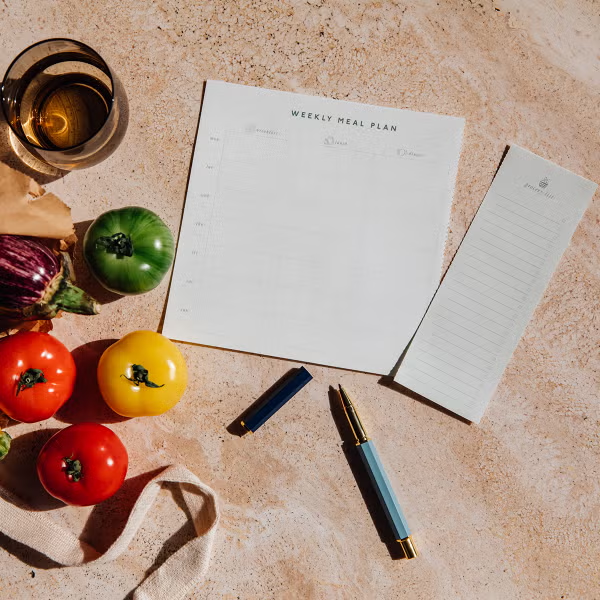
Meal rhythm in food organization means creating repeatable kitchen schedules that fit your household — not imposing dietary rules. We share frameworks for prep timing, grocery cycles, and weekly templates that support consistent routines. This is organizational guidance, not clinical or wellness advice.
Start a ConversationFood organization balance means consistent kitchen routines — regular prep sessions, varied grocery lists, and planned flexibility. We focus on logistics and scheduling, not dietary limitation or body-focused goals.
Establishing recurring patterns: a Sunday prep session, a midweek grocery top-up, and consistent breakfast templates that reduce morning decisions. Rhythm creates stability without rigidity.
Elimination-focused approaches, calorie obsession, body-focused metrics, and language that frames food as reward or punishment. Our content remains organizational and educational.
Rather than prescribing when you must eat, we help you identify natural anchor points in your day and build meal preparation around them. A teacher with a 7:30 AM start time needs a different rhythm than a shift worker or a parent managing school drop-offs.
Identify your first consistent window and prepare grab-and-go options the night before.
Pack or assemble lunches using pre-portioned components from your prep session.
Keep dinner preparation under 30 minutes by relying on pre-chopped ingredients and batch-cooked bases.
When building your weekly grocery and prep list, sorting meals by ingredient category helps ensure variety. This is a shopping organization tool — not a dietary guideline or health recommendation.
List fresh vegetables and fruits needed across your planned meals. Check seasonal availability and current pantry stock before adding to your shopping template.
Include whichever protein sources your household already uses — organized by storage method: refrigerated, frozen, or pantry-stable.
Grains, starches, and complementary sides that appear across multiple meals in your rotation matrix.
Dedicate a shelf or zone in your pantry and fridge for beverages your household regularly uses. Label zones, keep reusable bottles accessible, and include drinks on your grocery template alongside food items.
This is a storage and inventory organization tip — not guidance related to hydration needs, health, or any physical condition.
Observe when your household typically shops, cooks, and eats during a normal week. Use those patterns to place prep sessions and grocery trips where they fit your existing routine — a scheduling exercise, not a health assessment.
Note when shopping, cooking, and meal assembly typically happen in your household. Identify time slots where prep could fit without disrupting existing commitments.
Place weekly preparation sessions during periods with the most available time — often a weekend afternoon or a quieter weeknight.
After applying a schedule for a couple of weeks, adjust your template based on what was practical and what was not. No specific timeline or outcome is expected.
Dedicate a focused two-hour window each weekend to tasks that save time all week: washing and chopping vegetables, cooking a batch grain, dividing proteins into containers, and assembling snack containers.
This method is a organizational time-management technique. Results depend on individual consistency and household circumstances — we make no promises about specific outcomes.
View Nutrition ResourcesProcess all produce for the week into storage containers.
Prepare grains, roasted vegetables, or soup foundations.
Separate cooked proteins into labeled meal-sized containers.
Label everything with contents and date, then organize fridge zones.
A clear, uncluttered dining area supports structured mealtimes as part of your household routine. This is an environmental organization tip — not a behavioral therapy or wellness practice.
Add sit-down meal slots to your household calendar alongside other regular commitments, treating them as fixed schedule entries.
Clear surfaces, set out plates and utensils, and keep the eating area separate from work or study materials.
Designate the dining area as a screen-free space during scheduled mealtimes as a household organization rule.
Included in our personalized plans, the balance worksheet maps your weekly rhythm across seven days with slots for meals, prep tasks, and flexible openings.
Monday through Sunday with space for morning, midday, and evening entries.
Notes for advance preparation needed the day before each meal.
One open meal per week for spontaneity, dining out, or leftovers.
Contact our Wellington team to discuss how a personalized food organization plan can fit your household calendar. Pricing is shared before any paid service begins.
Contact Us