Produce
Leafy greens, root vegetables, seasonal fruit, and herbs. Store separately by humidity needs — crisp drawers for greens, cool dark areas for potatoes and onions.
Practical knowledge about food groups becomes useful when it connects to how you shop and store ingredients. This page shares general educational information about food categories and sourcing — not personalized dietary plans, clinical guidance, or health recommendations.
Ask a Question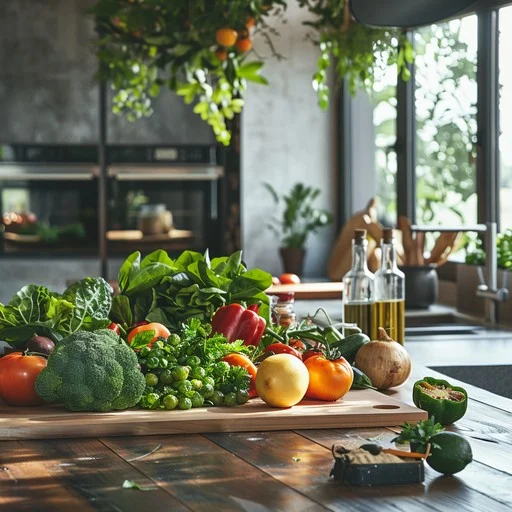
Grouping ingredients by category simplifies list-building and helps ensure variety across your weekly meals. These are general educational classifications, not medical recommendations.
Leafy greens, root vegetables, seasonal fruit, and herbs. Store separately by humidity needs — crisp drawers for greens, cool dark areas for potatoes and onions.
Animal and plant-based protein sources including legumes, eggs, fish, poultry, and tofu. Organize by storage method: refrigerated, frozen, or pantry-stable.
Rice, pasta, bread, oats, and starchy vegetables. Use airtight containers for dry goods and label with purchase dates for rotation.
Items are listed by weight, largest first. The first three ingredients reveal the primary components.
Compare the stated serving to what you typically consume to understand nutritional values in context.
Distinguish between best-before dates (quality indicator) and use-by dates (safety indicator) on packaged goods.
Understanding food labels supports informed shopping decisions. We teach general label-reading skills as part of our educational resources — helping you compare products and recognize common ingredient patterns.
This information is provided for educational purposes. For specific dietary concerns related to allergies, intolerances, or health conditions, consult an appropriate qualified professional.
Organizing prepped food into labeled containers simplifies weekday assembly. This is a kitchen logistics technique — not a dietary restriction method or body-focused approach.
Use a consistent set of container sizes so each prepped item has a designated storage spot in your fridge or freezer.
Mark containers with contents and prep date to support first-in-first-out rotation during the week.
When cooking larger quantities, divide into meal-sized containers before storing to streamline weekday assembly.
Aligning your grocery lists with seasonal availability supports variety and can help manage food budgets more effectively.
Stone fruit, berries, tomatoes, courgettes, sweetcorn, and fresh herbs reach peak availability during warmer months.
Apples, pears, pumpkins, feijoas, grapes, and root vegetables transition into harvest season.
Citrus, kiwifruit, brassicas, potatoes, and stored apples provide hearty options for colder months.
Asparagus, new potatoes, spring greens, and early strawberries signal the growing season restart.
A well-structured list reduces impulse purchases and ensures you have ingredients on hand when prep day arrives.
Review pantry and fridge contents weekly. Note items running low and identify anything approaching expiration.
Select meals for the coming week using your rotation matrix. Account for leftovers and flexible slots.
Cross-reference planned meals against current inventory. Add only what is needed, organized by store section.
Place dairy and meats on lower refrigerator shelves where temperatures are coldest. Store condiments and beverages in door compartments where temperature fluctuates more.
When restocking, move older items to the front. This rotation principle applies to pantry shelves, refrigerator drawers, and freezer compartments alike.
Use high-humidity crispers for leafy greens and low-humidity drawers for fruits that emit ethylene gas, which can accelerate ripening of nearby produce.
Transfer opened dry goods into sealed containers to protect against moisture, pests, and staleness. Label with contents and opening date.
Our nutrition organization resources include printable worksheets, seasonal produce charts specific to New Zealand, and video walkthroughs of label-reading techniques. These materials support self-directed learning and complement personalized consulting sessions.
All resources clearly state that they provide general information and are not substitutes for professional dietary advice.
Request Resource AccessContinue to our Balance page for weekly scheduling frameworks and kitchen preparation routines.
View Balance Page